Streatham gardeners local guide to SW16 small gardens
Posted on 10/10/2026
Small gardens in SW16 can be brilliant, but they can also feel a bit awkward at first. One week it's a narrow strip of paving, a tired lawn, and a fence that's seen better days; the next, you're trying to work out how to fit seating, storage, planting, and privacy into the same few square metres. That is exactly where this Streatham gardeners local guide to SW16 small gardens comes in. It is built for real London plots: tight, shaded, overlooked, windy, or just plain hard to organise. The good news? A small garden does not need to look small. With the right structure, planting, and a few sensible choices, it can feel calm, useful, and surprisingly generous.
In practice, the best results usually come from a simple idea: do less, but do it properly. That means choosing materials that suit the space, planting with purpose, and making every corner earn its keep. You will also see where local knowledge matters. Streatham gardens often deal with patchy light, boundary privacy issues, compact layouts, and maintenance that needs to be manageable in busy everyday life. Let's face it, nobody wants a "dream garden" that turns into a weekend chore.
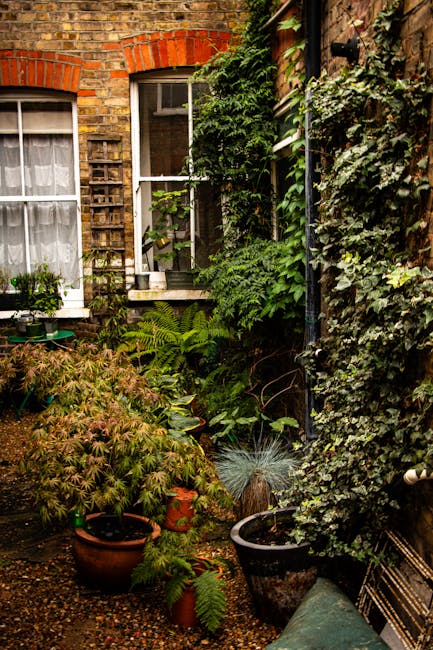
Why Streatham gardeners local guide to SW16 small gardens Matters
Small gardens in Streatham are often part of period terraces, maisonettes, flats, or compact family homes where outdoor space has to work hard. That creates a very specific set of challenges. You may have less sun than you expected, more boundary shade, and less room for wasteful planting. Add London weather, a bit of urban dust, and the occasional gust, and you have a garden that needs thoughtful design rather than random additions.
This matters because small gardens are easy to get wrong in ways that are expensive or annoying later. A large patio placed badly can dominate the whole plot. A thirsty lawn can look patchy in half-shade. Tall planting can create privacy, but it can also make a narrow garden feel boxed in if the structure is heavy. Good local guidance helps you avoid those traps and makes the space feel balanced from day one.
There is another reason, too. In a small SW16 garden, every decision is visible. A well-placed climber, a smart seating nook, or a tidy edge can lift the whole plot. One small improvement often has a bigger effect than a major overhaul. That is the beauty of smaller spaces. They reward detail.
How Streatham gardeners local guide to SW16 small gardens Works
The approach is straightforward: start with the space you actually have, not the space you wish you had. A practical garden plan for SW16 begins with light, drainage, access, and how you want to use the garden. Do you want somewhere for morning coffee? Safe play space? A better view from the kitchen window? A low-maintenance green backdrop? Those answers decide everything else.
From there, the work usually follows four steps. First, assess the garden honestly. Second, decide on a clear layout. Third, choose planting and materials that support that layout. Fourth, build in maintenance that does not become a headache. Simple on paper, yes, but in real gardens this order matters a lot. People often jump straight to plants, then wonder why the whole thing still feels messy.
If a garden is extremely compact, the best strategy is often layering rather than crowding. Think vertical features, narrow borders, slimline seating, wall planting, and containers that can be moved or refreshed. For many homeowners, this is where a service like professional gardening services in Streatham becomes useful: not because you cannot do anything yourself, but because a good eye can prevent costly layout mistakes.
Key Benefits and Practical Advantages
A well-planned small garden in SW16 brings more than visual appeal. It changes how the home feels. You get a cleaner outlook, easier upkeep, and better use of space that might otherwise sit underused. If the garden is overlooked, the right screening can give you privacy without making the space feel like a bunker. If the site is shaded, the right planting can make the shade look intentional rather than neglected.
Here are the biggest practical gains:
- More usable space: a clear layout can make a tiny garden feel bigger and easier to move through.
- Lower maintenance: the right materials and planting choices reduce constant tidying.
- Better privacy: screening and layered planting can soften views from neighbouring windows.
- Improved drainage and soil health: smaller spaces are easier to fix properly if the ground is tired or compacted.
- Stronger seasonal interest: evergreen structure, flowers, herbs, and climbers can keep the space attractive through the year.
A small garden can also be more cost-effective to upgrade than a larger one. Fewer materials, fewer plants, and tighter design decisions usually mean better value, provided the plan is sensible. For homeowners trying to keep spending under control, it can help to look at cost-effective garden tips for effortless care before making any big purchase.
Expert summary: in a compact Streatham garden, the winning formula is usually clear zoning, restrained planting, strong vertical interest, and maintenance that fits real life. Pretty and practical can absolutely live together. They should, really.
Who This Is For and When It Makes Sense
This guide is for anyone in SW16 who wants a small outdoor space to feel better without overcomplicating it. That includes first-time homeowners, renters with permission to improve planting, families needing a safer garden, older residents who want less upkeep, and busy people who just want a garden that looks tidy most of the time.
It also makes sense if your current garden has one or more of these issues:
- It feels cramped or visually cluttered.
- The lawn is patchy, tiny, or rarely used.
- Neighbours can see straight in.
- Shade or wind makes planting difficult.
- You want the garden to be more useful for relaxing or entertaining.
- There is a weak boundary, broken fence, or overgrown hedge affecting the whole feel.
Not every small garden needs a full redesign. Sometimes a quick reset is enough: pruning back overcrowded growth, repairing edges, refreshing containers, and improving the ground can transform the mood of the space. If the plot has become a bit forgotten, a staged approach works well. For that, starting a garden transformation is often the cleanest first move.
And if privacy is the biggest issue? That is one of the most common reasons people ask for help, especially in terraced streets where upstairs windows look directly down. In those situations, hedges, climbers, and layered screening are often better than a single tall fence panel. More on that shortly.
Step-by-Step Guidance
Here is a practical way to tackle a small Streatham garden without rushing into decisions you may regret later.
- Measure the space properly. Include doors, steps, shed openings, path widths, and the shadow cast by nearby buildings or fences. A few centimetres matter more than people think in a tight garden.
- Map the light. Note where sun falls in the morning, at midday, and in the evening. A garden that looks bright on a Sunday can behave very differently on a weekday in winter.
- Decide the garden's main job. Do you want dining, storage, child play, calm planting, or all four? Be honest. Trying to make a tiny plot do everything at once usually ends in clutter.
- Choose a primary surface. That may be lawn, paving, decking, gravel, or a mix. Keep the dominant material simple so the eye can rest.
- Build vertical interest. Use wall-trained plants, trellis, climbers, and shelves rather than filling every inch of ground.
- Use borders and containers strategically. They help separate spaces and create rhythm. This is where container gardening essentials can be very handy.
- Improve the soil before planting heavily. If the soil is compacted or poor, add organic matter and clear weeds properly. A healthy base matters more than people expect.
- Install screening where needed. Boundaries, climbers, and dense planting can provide privacy without a harsh wall effect.
- Finish with maintenance-friendly details. Easy access, slim storage, and clean edges make the garden easier to live with.
A useful rule of thumb: if a feature does not solve a problem or improve how the garden feels, leave it out. That might sound obvious, but in small gardens it is the difference between calm and chaos.
What to prioritise first in SW16
If you only have budget for three things, prioritise soil improvement, boundary structure, and one clear focal feature. A smart focal point could be a bench, a specimen shrub, a gravel nook, or a small tree in a container. It gives the eye somewhere to land. That alone can make a tiny garden feel more composed.
Expert Tips for Better Results
Truth be told, small-garden success often comes down to restraint. The best gardens are not necessarily full; they feel intentional. Here are some practical tips that tend to work well in Streatham conditions.
- Use layers, not clutter. A low ground layer, a middle planting layer, and a vertical layer create depth without crowding.
- Keep one unbroken line. A single strong edge, path, or run of paving helps a compact garden feel organised.
- Choose plants for structure, not just flowers. Evergreen climbers, compact shrubs, and grasses can hold the space together all year. A good place to start is evergreen climbers for shade.
- Don't ignore winter. Small gardens often look their worst in cold months, so plan for shape and colour after the summer display has faded. See also how to protect garden plants in winter.
- Use scent thoughtfully. Herbs, jasmine, or compact lavender can make a garden feel rich without needing lots of space.
- Think about maintenance access. If you cannot reach a bed easily, it will soon become the untidy bit nobody wants to deal with.
There is also value in seasonal thinking. In spring, small spaces benefit from freshness and new growth. By late summer, they often need a tidy, not a total rethink. And in autumn, a good cutback and a few structural plants keep the whole thing from collapsing visually. Quite a lot of garden problems are just timing problems wearing a fancy coat.
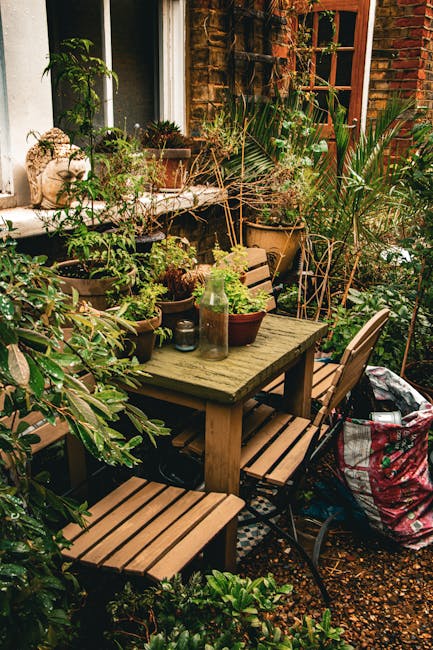
If you want a more stylish finish, a mix of textured foliage, simple furniture, and one or two well-chosen feature pots usually beats an overcrowded flower display. That is especially true in narrow SW16 plots where too much colour can read as visual noise.
Common Mistakes to Avoid
Small gardens magnify mistakes. Something that would barely register in a large plot can dominate a compact one. Here are the errors we see most often.
- Overpaving: too much hard landscaping can make the garden feel hot, flat, and boxy.
- Choosing plants that are too large: fast-growing specimens can quickly overpower a small border.
- Ignoring shade: many Streatham gardens get less direct sun than owners expect, especially near tall buildings and fences.
- Forgetting drainage: poor drainage leads to puddling, moss, and damaged plants.
- Using too many finishes: mixing lots of paving types, edging styles, and colours can make the space look smaller.
- Neglecting the boundaries: if fences, hedges, or trellis are tired, the whole garden feels tired too.
One common mistake deserves extra attention: people often choose plants for a catalogue picture rather than for the actual site. A plant that looks gorgeous in full sun may sulk in a shaded corner, and then the garden slowly starts to feel like a bad decision. That is not a moral failing, just normal gardening. But it is avoidable.
Another one? Buying furniture first. People do it all the time. Then they realise the table is too deep, the chairs block the path, and the door barely opens. Measure before you fall in love with the nice set.
Tools, Resources and Recommendations
You do not need a shed full of expensive kit to improve a small garden, but a few reliable tools make the work far easier. If the basics are rusty or missing, it is worth checking the gardening tools every outdoor enthusiast needs before you start.
| Tool or feature | Best use in a small SW16 garden | Why it helps |
|---|---|---|
| Hand pruners | Trimming climbers, shrubs, and herb borders | Keeps plants neat without heavy equipment |
| Spade or border fork | Soil prep, dividing, and edging | Useful for compact beds and improvement work |
| Watering can or hose with control | Container plants and newly planted areas | Prevents waste and gives more precise watering |
| Trellis or wire supports | Vertical planting and privacy screening | Creates height without stealing floor space |
| Container mix and compost | Pots, raised areas, and seasonal planting | Supports healthier roots in limited soil volumes |
For planting ideas, it is often sensible to use a blend of ground-cover, climbers, herbs, and compact shrubs. Ground cover can suppress weeds and soften hard edges; one helpful resource is ground cover plants suited to UK gardens. Herbs are also excellent in small spaces because they are useful, fragrant, and relatively compact; see the herb garden growth guide for practical inspiration.
If privacy is a priority, look at layered screening rather than one single tall object. A hedge, climber, or mixed boundary planting can feel softer and usually looks better from inside the house. For more ideas, the guide on fast-growing hedges for privacy is a sensible place to start. Just remember to match growth rate to the space available; fast is not always best.
And if the idea of managing weeds feels endless, it helps to build prevention into the plan. The article on smart weed control pairs well with small-garden maintenance, because prevention always beats repeated rescue work.
Law, Compliance, Standards, or Best Practice
For most small private gardens in Streatham, the main compliance issue is not bureaucracy, it is care and common sense. If you are changing boundaries, removing trees, or altering structures that affect neighbours, it is wise to check responsibilities before work begins. That is especially true for shared fences, access points, and anything that could affect light, privacy, or drainage.
Best practice also matters for safety. Garden work often involves tools, ladders, sharp blades, and uneven ground. When hiring help, choose a provider that takes safety seriously and can explain how jobs are carried out. It is sensible to review pages like insurance and safety and health and safety policy if you are comparing who to trust with work on your property.
If you are commissioning work, clear communication is part of good practice too. Ask what is included, how waste is handled, and whether the scope covers follow-up tidy-up. You should also know how pricing, payment, and complaints are handled. It sounds a bit formal, but it prevents misunderstandings later. For that reason, the pages on pricing and quotes, payment and security, and complaints procedure are useful to review when planning work.
For general trust signals, a clear business background helps too. If you want to know more about who is doing the work and how they operate, read the about us information. That kind of transparency matters, especially when you are inviting people into a private garden or asking them to work close to your home.
Options, Methods, or Comparison Table
Small gardens usually improve through a mix of methods rather than one grand intervention. Here is a practical comparison of the main approaches.
| Method | Best for | Advantages | Trade-offs |
|---|---|---|---|
| Simple refresh | Gardens that are mostly functional but tired | Quick, affordable, low disruption | Does not solve structural layout issues |
| Container-led design | Very small or paved gardens | Flexible, easy to update, good for renters | Needs regular watering and feeding |
| Layered planting | Shaded or overlooked gardens | Creates depth, privacy, and seasonal structure | Takes planning and some patience |
| Full redesign | Gardens with poor layout, drainage, or heavy wear | Most transformative result | Higher cost and more disruption |
If your garden needs a stronger reset, a broader service approach may be the right fit. In some cases that means more than planting: landscaping services in Streatham can address levels, paths, and structure, while patio cleaning can instantly lift the look of the whole area. For lawns that are more patchy than practical, lawn care or lawn mowing may be more realistic than trying to force a perfect lawn.
Sometimes the boundary itself is the issue. A tired fence can make even the neatest planting feel unfinished. If that sounds familiar, a bit of attention to fencing in Streatham or hedge trimming can restore the whole frame of the garden. It is a bit like changing a picture frame and suddenly the picture looks better. Small thing, big effect.
Case Study or Real-World Example
Imagine a compact SW16 rear garden behind a Victorian terrace: roughly rectangular, shaded at the back, overlooked from neighbouring windows, with a narrow run of tired lawn and two overgrown borders. It is not unusual. In fact, it is very Streatham.
The first step is usually to simplify. In a case like this, the lawn might be reduced or reshaped to create a clearer seating zone near the house. A slim paved area could form the main outdoor room, while the back section becomes a planted retreat with climbers, evergreen structure, and a few containers. The boundaries would then do more work visually: a repaired fence, a trellis screen, or climbing planting would soften the view from above.
The planting would need to suit shade and partial shade, so instead of chasing bright-sun favourites, the design might lean into foliage texture, shade-tolerant climbers, and carefully placed containers. A small seating nook, perhaps with a bench rather than a full dining set, would keep the space usable without crowding it. Very often, that is enough. Not flashy. Just right.
We have seen many small gardens improve dramatically with this approach, especially when maintenance is considered at the design stage. A garden that looks calm in July but becomes a mess by October is not really solved. A better plan is one that still feels tidy on a damp Tuesday afternoon, which is honestly the real test.
For a more nature-rich feel, some homeowners like to add a compact herb section, a few scented pots, and one feature plant with strong form. If you want to lean into a greener, more layered look, the ideas in vertical garden designs can be adapted beautifully for smaller walls and fences.
Practical Checklist
Use this checklist before you start or refresh a small garden in SW16.
- Measure the full garden, including awkward corners and access points.
- Note sun, shade, and wind exposure across the day.
- Decide on the garden's main purpose: relaxing, dining, play, planting, or privacy.
- Clear out tired, overcrowded, or broken features.
- Check boundary condition and height before adding screening.
- Improve soil where planting will matter most.
- Choose a simple main surface and keep materials consistent.
- Use vertical space with climbers, trellis, or wall planting.
- Pick plants that suit the light level and the amount of care you can realistically give.
- Include at least one evergreen or structural element for winter interest.
- Leave enough room to move comfortably around furniture and planting.
- Plan maintenance so it stays manageable in winter and summer alike.
Quick reassurance: you do not need a perfect garden. You need a workable one that makes you glad to step outside. That is a much better target, and far more realistic.
Conclusion
Small gardens in Streatham can be full of character if they are designed with care rather than crammed with ideas. The best Streatham gardeners local guide to SW16 small gardens is really a reminder to respect the space: understand the light, use the boundaries well, keep the layout clear, and choose planting that supports the way you live. When those things line up, even a modest plot can feel restful, private, and surprisingly generous.
If you are starting from scratch, begin with the structure. If the garden is already there but not quite working, start with one change that solves the biggest frustration. A better boundary, a cleaner patio, a more appropriate planting scheme, or a bit of professional maintenance can change the mood very quickly. And once the space starts working, the rest becomes much easier. Little by little, it all adds up.
Get a free quote today and see how much you can save.
There is something quietly uplifting about stepping into a garden that finally fits its home. Not showy. Just right. That is the goal, and it is absolutely achievable.

Drawing from her experience in gardening, Brittany possesses the skill to craft informative articles on landscaping, lawn care, and garden maintenance, aiding numerous individuals in experiencing the garden they've longed for.