Streatham Common garden clearance what to know about permits
Posted on 18/10/2026
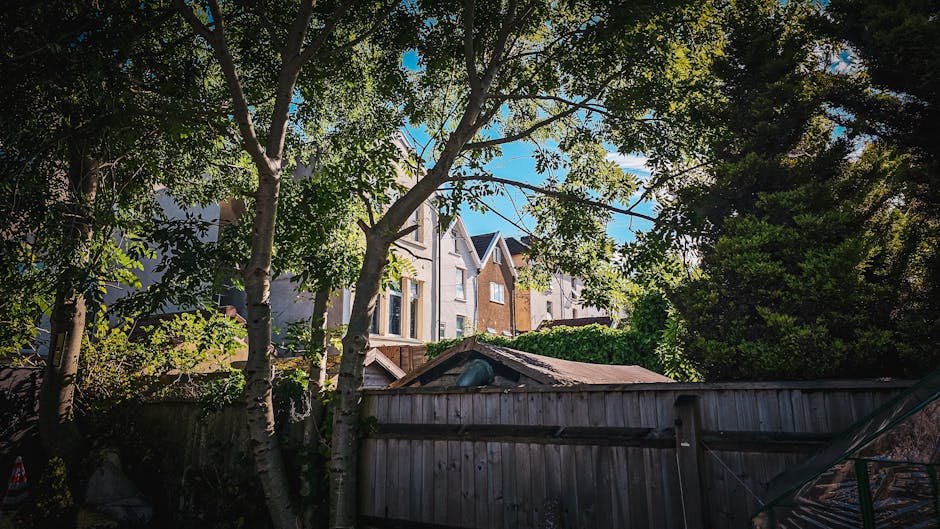
If you are planning a garden clear-out near Streatham Common, the permit question tends to come up quickly. Do you need permission to remove waste, cut back hedges, take down branches, or bring in a skip? The short answer is: sometimes yes, sometimes no, and the details matter more than most people expect. In a busy local area, the difference between a smooth clearance and a messy hold-up is often knowing what counts as private garden work, what crosses into highway or protected-tree territory, and when it is smarter to check first. This guide on Streatham Common garden clearance what to know about permits breaks it down in plain English, so you can plan with less stress and fewer surprises.
Why Streatham Common garden clearance what to know about permits Matters
Garden clearance sounds simple until you hit the edges of what is allowed. A tidy-up in the back garden is one thing. Clearing vegetation near a boundary, loading waste into a skip on the street, or removing a mature tree is another altogether. Around Streatham Common, that distinction is especially important because local streets can be tight, front gardens may be small, and access is not always straightforward. One skipped check can lead to delays, extra costs, or, in the worst case, having to undo work you already paid for.
That is why Streatham Common garden clearance what to know about permits is not just a paperwork topic. It is about protecting your budget, your timeline, and the garden itself. It also helps you avoid the awkward scenario where a well-meaning clearance suddenly turns into a council query, a neighbour complaint, or a waste collection problem that could have been prevented. To be fair, most clearances do not involve anything dramatic. But the few that do can become expensive very quickly.
There is also a practical side. Good permit planning helps you keep recyclable materials separate, protect plants you want to keep, and make sure the job is done safely. If you are already thinking about wider garden improvement, it can be worth looking at broader maintenance support too, such as routine garden maintenance in Streatham or seasonal help like lawn care in Streatham. A clearance is often the first step, not the final one.
How Streatham Common garden clearance what to know about permits Works
Most garden clearances fall into one of three buckets: private-garden work, waste removal logistics, or work that affects trees, hedges, roads, or shared spaces. The permit question changes depending on which bucket you are in. That is the bit people miss. A spade and a wheelbarrow in your own enclosed garden? Usually straightforward. A skip placed on the road? Different conversation. Cutting back a tree that may be protected? Different again.
In practice, a careful clearance process usually starts with a quick site review. You look at access, waste volume, any large green waste, whether anything is rooted near a boundary, and whether the work could affect a tree or shared driveway. If the job is larger, you may need a contractor who can help organise traffic management, skip placement, or responsible waste handling. Some projects also overlap with wider services like tree surgery in Streatham if branches, deadwood, or tree removal are involved.
It helps to think of permits as a control layer. They are there to make sure work happens safely and without blocking public land or damaging protected vegetation. In many cases, the question is less "Do I need a permit for garden clearance?" and more "What part of this clearance touches public space, protected assets, or controlled waste movement?" That tiny wording change matters, honestly.
Typical situations that may trigger a permit or approval check
- placing a skip, waste container, or large equipment on a public road or pavement
- working near a tree that may be subject to protection controls
- removing material that includes heavy timber, concrete, or mixed construction waste
- using machinery where access affects neighbours, pedestrians, or vehicles
- clearing hedges or boundary vegetation that may belong partly to someone else
- disposing of large volumes of green waste beyond normal household collection capacity
And yes, some projects are simpler than they first appear. A compact front garden clearance might only need careful sorting and a standard waste pickup. But once you add a skip or roadside loading, you are in different territory. If your goal is to refresh the whole outdoor space, a service such as landscaping support in Streatham can be useful after the clearance stage, when you are ready to rebuild rather than just remove.
Key Benefits and Practical Advantages
Getting permit checks right does more than keep you compliant. It also makes the whole project feel calmer. The skip arrives where it should. The crew knows what can be removed. The waste gets sorted properly. And you avoid the classic last-minute scramble of discovering a roadside permit issue on the morning of the job. Nobody enjoys that, least of all the person who has already moved half the garden furniture onto the patio.
Here are the main benefits of planning ahead:
- Fewer delays: You are less likely to stop work halfway through because something was not approved.
- Lower risk of fines or complaints: This is especially relevant if a skip, scaffold, or large vehicle touches public space.
- Better safety: Good planning reduces clutter, lifting hazards, and accidental damage to paths or fences.
- Cleaner results: Waste is separated and removed more efficiently, which usually means a tidier finish.
- Less stress with neighbours: Clear timing, access, and noise management make a real difference on narrower Streatham streets.
There is a softer benefit too. A garden clearance done properly tends to feel like a reset, not a demolition. You can actually see the shape of the space again. That matters if your next step is something small and neat, such as introducing ground cover plants for a low-maintenance finish or, if you have shade, choosing something more architectural like evergreen climbers for shady corners.
Expert summary: The best clearance projects are not the fastest ones. They are the ones where access, waste, and permissions are checked before anyone starts lifting, cutting, or loading. That small bit of prep usually saves the biggest headaches.
Who This Is For and When It Makes Sense
This topic matters for more people than you might think. Homeowners clearing an overgrown garden obviously need it. So do landlords between tenancies, tenants with permission to tidy an outdoor space, and anyone preparing for a sale or renovation. If you live near Streatham Common and your garden has become a bit of a jungle after winter, the permit question may only become relevant when the clearance gets bigger than a few bags of cuttings.
It also matters if you are:
- disposing of mature hedge trimmings or tree branches
- removing old sheds, rotten sleepers, or broken paving as part of clearance
- working close to a boundary where ownership is unclear
- planning to place waste containers on the street
- trying to reduce the risk of pests, damp, or blocked drains caused by debris
- making a garden safer for children, older relatives, or visitors
If your project is more about turning the cleared space into something usable, it may help to think ahead. For example, a family may want to add structure with seating, privacy planting, or a small play area later. A younger household might want a more flexible design. In that case, reading about child-friendly garden ideas can be a surprisingly useful next step after clearance. And if privacy is the goal, then fast-growing hedges for privacy are worth exploring.
Step-by-Step Guidance
Here is a practical way to approach the job without missing the permit angle. This is not glamorous, but it works.
- Walk the garden first. Check what is being removed, what stays, and whether any trees, hedges, or boundary plants look sensitive.
- Identify public-space contact. Ask whether the job involves a skip, vehicle loading, or equipment on the road or pavement.
- Separate waste types early. Green waste, timber, soil, rubble, and general rubbish should not all be treated the same way.
- Check tree and hedge issues. If a tree might be protected or work could affect shared boundaries, pause and verify before cutting.
- Plan access and timing. Narrow paths, parked cars, and school-run traffic can all affect what is practical.
- Confirm disposal arrangements. Make sure the waste route matches the scale of the job, not just the easiest route.
- Keep records. Notes, photos, and quotes help if questions come up later about what was removed and why.
A lot of people jump straight to the physical work. Fair enough. It feels productive. But five minutes checking access can save two hours of hassle later. If you are doing more than simple tidying, a broader service such as gardening services in Streatham can help you coordinate clearance, cleanup, and next-stage planting more smoothly.
Expert Tips for Better Results
In our experience, the best garden clearances are the ones that respect the existing structure of the space. Not everything needs to go. Sometimes a tired border just needs a reset, not a full strip-out. Sometimes a hedge needs a careful trim, not a battle with the hedge trimmer at 8 a.m. on a Sunday morning. Small distinction. Big neighbourly difference.
Here are a few tips that tend to make the process easier:
- Work from the least disruptive area first. It keeps access open and avoids blocking your own route out.
- Keep one pile for reusable material. Good compost, mulch, logs, or stepping stones may have a second life.
- Protect soil and roots. Heavy foot traffic on wet ground can compact the soil badly.
- Measure bulky waste before booking removal. Guesswork usually means paying twice or ordering too little space.
- Choose the right season where possible. In wetter months, access and ground protection matter much more.
- Think about the end result. If you want a low-maintenance space, plan for the planting and layout after clearance, not months later.
If you are building a more resilient garden after the clean-up, a few related guides may help. For example, proactive weed control is useful once borders are opened up, and giving organic waste a second life can make the whole project more sustainable. Truth be told, a cleared garden can either become a dumping ground again or a genuinely calmer space. The difference is usually in the follow-through.

Common Mistakes to Avoid
Most issues with garden clearance come from rushing. People overcut, overfill, or assume a boundary is theirs to deal with without checking. Happens all the time.
- Assuming no permit is needed. This is the fastest way to get caught out with skips, roadside loading, or protected features.
- Mixing all waste together. Mixed waste can be costlier and harder to dispose of responsibly.
- Damaging roots and soil structure. Heavy equipment can undo a lot of good work.
- Removing the wrong plant or hedge section. Boundaries can be shared, and not every plant is owned by one side only.
- Ignoring access constraints. A narrow side return can turn into a bottleneck quickly.
- Forgetting future use. Some people clear everything and then realise they have removed the very structure that made the garden usable.
There is also an emotional mistake: treating a clearance like a one-off chore rather than the beginning of a bigger outdoor reset. If you are already thinking ahead to a tidy, durable finish, resources like cost-effective garden care ideas and starting a garden transformation can help you avoid repeat work later.
Tools, Resources and Recommendations
You do not need a van full of specialist equipment for every clearance, but a few decent tools make the job cleaner and safer. A strong rake, pruning saw, loppers, tarpaulins, gloves, and builders' bags go a long way. For anything involving bulky debris, a wheelbarrow with good tyres and a clear loading route can save your back, which, let us face it, will thank you by day two.
Useful tools and resources include:
- pruning shears and loppers for smaller branches and dead growth
- a bow saw or pruning saw for thicker woody stems
- heavy-duty gloves and eye protection
- tarpaulins for protecting paths and collecting waste
- garden sacks or bulk bags for separating materials
- a simple notebook or phone notes app for recording what was removed
If you are not sure which tools suit the job, this guide to essential gardening tools is a practical place to start. For more design-led planning, vertical garden ideas can help you use cleared wall space more creatively, while garden seating design inspiration is handy if your goal is to make the new space somewhere you actually want to sit.
Law, Compliance, Standards, or Best Practice
For clearance work, the key principle is simple: if your activity affects public land, protected trees, shared boundaries, or waste disposal beyond ordinary household handling, you should check the relevant local requirements before starting. UK rules and local procedures can vary depending on the exact situation, so it is sensible to treat this as a live check rather than a one-size-fits-all answer.
Best practice usually includes:
- confirming whether a tree is protected or subject to special controls before pruning or removal
- checking whether a skip, van, or container needs permission to occupy a road or pavement
- keeping waste streams separate where practical
- making sure any contractor has appropriate insurance and safety procedures
- protecting nearby surfaces, drains, and planting beds during work
It is also wise to work with a provider that can show they take safety and paperwork seriously. Pages such as insurance and safety, health and safety policy, and terms and conditions exist for a reason: they help set expectations before anyone starts moving soil, timber, or heavy waste. That kind of clarity is boring in the best possible way.
Options, Methods, or Comparison Table
Not every clearance needs the same setup. Some jobs are better handled as a quick tidy; others need a full removal plan. Here is a simple comparison.
| Method | Best for | Permit risk | Practical notes |
|---|---|---|---|
| DIY hand clearance | Small gardens, light pruning, bagged green waste | Low | Best when access is easy and waste volume is modest |
| Skip-based clearance | Large volumes, mixed debris, bulky waste | Medium to high | Often needs careful checking if the skip sits on the road |
| Contractor-led clearance | Overgrown gardens, access issues, heavy or awkward material | Variable | Useful when safety, waste sorting, and logistics matter |
If you are mainly stripping back overgrowth before replanting, a contractor route may save time. If the job is just a tidy-up after winter, a lighter approach could be enough. And if you are improving structures too, services like fencing in Streatham or decking services can fit into the wider plan once the clutter is gone.
Case Study or Real-World Example
A typical local scenario goes something like this. A homeowner near Streatham Common inherits a garden that has grown wild after a few wet months and a busy season at work. The back border is full of bramble, one hedge has flopped into the path, and there is a small pile of broken timber from an old planter. Nothing dramatic, just enough to make the space feel unusable.
At first, the plan is to clear everything in one weekend. Then the access issue appears: the only practical place for a skip would be near the road. That changes the timeline. A quick check is needed before any booking is made. The homeowner also notices one mature tree close to the fence line, so trimming becomes a careful job rather than a blunt cut. In the end, the clearance is split into phases: light hand removal first, waste sorted into green and mixed material, then a separate review of the tree and boundary plants.
The result? Less waste, less stress, and a much better end result. The garden is still there. It just breathes again. You can almost hear the difference; the space stops feeling crowded. If the next step is a fresh start rather than just a clean-up, starting a new garden well can help you make better decisions from the outset.
Practical Checklist
Use this checklist before you begin any Streatham Common garden clearance.
- Have I checked whether any skip, container, or vehicle will touch public land?
- Have I identified any trees, hedges, or boundaries that may need special attention?
- Do I know what waste is going where?
- Have I measured bulky items and access points properly?
- Is the ground protected if the soil is soft or wet?
- Do I have the right tools, bags, gloves, and saws?
- Have I told neighbours if the work may be noisy or block access briefly?
- Have I planned the garden's next stage, not just the clearance itself?
- Is the contractor insured and clear about safety procedures?
- Do I know who to ask if I am unsure about a permit or approval?
For people who want a lower-maintenance result after the clear-out, it can help to think about plant choices and structure early. Consider container gardening basics for flexible spaces, or winter plant protection if you are clearing in the colder season. Small decisions now save a lot of regret later. Usually.
Get a free quote today and see how much you can save.
Conclusion
Streatham Common garden clearance what to know about permits is really about planning well enough to avoid avoidable problems. If your work stays inside your own garden and does not touch public land, protected trees, or complex waste arrangements, the process may be quite straightforward. But once skips, roadside access, trees, or shared boundaries enter the picture, checking first becomes the smart move.
The good news is that a little preparation goes a long way. Think through access. Sort the waste. Respect the boundaries. And leave room for the next phase of the garden, because clearance is rarely the final chapter. It is the reset before something better. With the right approach, the job feels less like a chore and more like opening the window on a stuffy room. Fresh air, at last.


Drawing from her experience in gardening, Brittany possesses the skill to craft informative articles on landscaping, lawn care, and garden maintenance, aiding numerous individuals in experiencing the garden they've longed for.