Furzedown hedge cutting and boundary dispute cases for gardeners
Posted on 03/11/2026
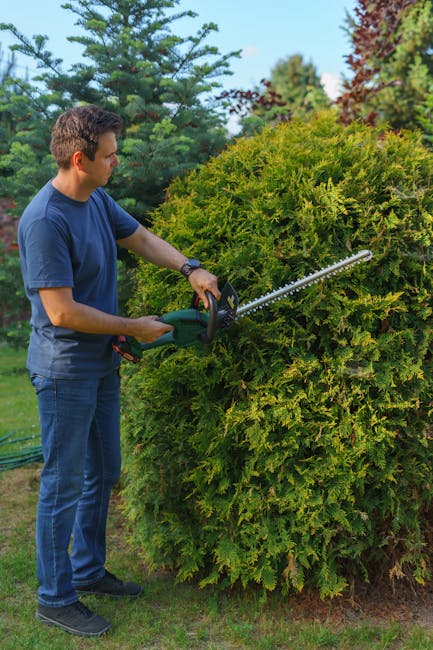
Furzedown Hedge Cutting and Boundary Dispute Cases for Gardeners
If you garden in Furzedown, hedge cutting is never just a tidy-up job. One week you're shaping a leylandii or trimming a privet line; the next, a neighbour is saying the hedge has crept over a boundary, blocked light, or made a fence line look uncertain. That is the reality of Furzedown hedge cutting and boundary dispute cases for gardeners-part horticulture, part diplomacy, part careful record-keeping. And yes, sometimes it starts with something as small as one overhanging branch. Truth be told, these situations are more common than many people expect.
This guide explains how the issue usually works in practice, what gardeners should do before cutting, how to avoid making a disagreement worse, and where professional help fits in. It is written for gardeners, property owners, and anyone who wants to keep a boundary neat without accidentally turning a routine task into a messy row over access, ownership, or damage.
Why Furzedown hedge cutting and boundary dispute cases for gardeners Matters
Hedges shape the look of a garden, but they also shape relationships. In a dense London neighbourhood like Furzedown, a hedge can affect light, privacy, access, and even how two properties feel from day to day. That is why disputes around boundary hedges tend to carry more weight than people first assume. They are not really about leaves. They are about space, respect, and certainty.
For gardeners, the stakes are practical too. A poorly judged cut can leave a hedge thin or bare on one side, damage nesting habitat, expose a fence, or create a new argument about who owns what. If you are asked to cut near a boundary, you need to think beyond shape and height. You need to think about shared edges, root spread, overhang, and whether the job will be seen as helpful maintenance or an unwanted intervention.
There is also a reputation aspect. A gardener who handles boundary-sensitive work calmly and carefully is far more likely to be trusted again. That matters whether you are doing private residential work or regular garden maintenance. If you want a broader look at how hedge care fits into recurring garden upkeep, the practical approach discussed in hedge trimming services in Streatham is a useful companion piece.
A small hedge dispute can escalate fast if someone feels ignored. A quick conversation early on usually does more than a dramatic "I'll just trim it back then" approach. Let's face it, gardens are emotional spaces. People notice when a boundary changes.
How Furzedown hedge cutting and boundary dispute cases for gardeners Works
The process usually starts with a visible problem: a hedge crossing a line, blocking a path, crowding a fence, or reaching far enough for someone to complain. But the real work begins before any cutting happens. First, the gardener has to identify whether the hedge is entirely within one property, sitting directly on the boundary, or clearly shared in some way. That distinction changes everything.
In many real-world cases, the issue is not ownership of the hedge itself but who has the right to cut which side, how far overgrowth can be reduced, and whether one side can be accessed safely. If the hedge sits on the boundary, both parties may have an interest in the result, even if only one commissioned the work. If it is entirely on one side, the other neighbour may still object if the overhang is severe or the cut affects privacy.
The practical workflow tends to look like this:
- Observe the hedge and the alleged issue from both sides if possible.
- Confirm the visible boundary markers, fence line, or long-standing features.
- Check for overhang, height concerns, shading, and access issues.
- Discuss the proposed cut with the owner or managing resident before work starts.
- Trim conservatively, especially when the boundary is uncertain.
- Record what was done, especially if the hedge is shared or contentious.
Gardeners often underestimate the value of photos taken before, during, and after work. A few simple images can help explain why a certain line was cut and can calm a dispute before it grows legs. A boring habit, maybe. But a useful one.
In some jobs, hedge work sits alongside other maintenance such as mowing, clearing, or tidying hard edges. When a boundary issue is part of a wider seasonal tidy-up, it can help to view the garden as a whole rather than a single plant problem. That is where regular upkeep such as garden maintenance in Streatham can make planning easier.
Key Benefits and Practical Advantages
Handled well, boundary hedge work gives you more than a neater line. It gives you clarity, safer access, and fewer awkward conversations later. It can also protect the hedge itself from being hacked back too aggressively, which is a very common mistake when people are trying to "sort it out quickly".
- Cleaner boundaries: Everyone can see where the garden edge sits, which reduces confusion.
- Better neighbour relations: A polite, documented approach lowers tension.
- Healthier hedging: Thoughtful pruning encourages denser growth and avoids long-term stress.
- Safer work: Less guesswork means fewer risky cuts near fences, sheds, or hidden obstacles.
- More professional outcomes: Clients notice when work is careful, not just fast.
There is also a subtle benefit that matters to many households: peace of mind. Once a hedge has been dealt with properly, you are not staring out of the kitchen window wondering whether the next complaint is coming. That quiet is worth a lot.
For privacy-focused gardens, hedges often carry more than one function. They screen, soften, and frame the plot. If boundary work is being done because a hedge has become too dense or too high, the privacy balance matters as much as the legal one. The article on fast-growing hedge choices for privacy is useful background if you are rethinking what should replace or support the existing planting.
Who This Is For and When It Makes Sense
This topic matters to several groups, not just professional gardeners. Homeowners with mature hedges, landlords dealing with shared front gardens, tenants responsible for upkeep, and gardeners working on behalf of clients all run into boundary questions sooner or later.
You probably need this guidance if:
- your hedge touches or crosses a fence line;
- a neighbour has complained about light, access, or encroachment;
- the boundary between properties is unclear or old;
- you have been asked to cut a hedge that "belongs to someone else"; or
- you want to avoid damaging a relationship while still doing proper garden work.
It also makes sense if you manage a garden that includes mixed features such as shrubs, climbers, paving, and seasonal planting. Boundary decisions do not happen in isolation. A hedge might need to be cut because the lawn edge needs access, or because a fence replacement is due. In those cases, garden planning around structures becomes part of the job. If fencing is also in play, this can overlap with fencing services in Streatham, especially where a new fence line is being considered alongside hedge reduction.
And sometimes, honestly, it makes sense simply because the hedge has got too big for the situation. Not every issue is a dispute. Some are just ordinary maintenance problems wearing a dramatic coat.
Step-by-Step Guidance
If you are approaching a boundary hedge job in Furzedown, work methodically. A careful sequence reduces misunderstandings and keeps the hedge in better shape.
1. Inspect the situation from both sides
Look at the hedge from your own property first, then from the other side if access is appropriate and agreed. You want to understand whether the issue is overhang, height, width, or root spread. A hedge can look fine from one side and completely different from the other. That happens a lot.
2. Identify the practical boundary markers
Use fences, paving edges, retaining walls, old posts, or recurring planting lines as clues, but do not assume they prove ownership. They often help, yet they are not always definitive. If there is any uncertainty, err on the side of caution. A conservative cut is almost always safer than a bold one.
3. Speak before you cut
This sounds obvious, but many disputes are made worse by a job starting without a proper conversation. Explain what you have noticed, what you plan to do, and how much you intend to remove. A neighbour may still disagree, but they are less likely to feel ambushed. That small courtesy changes the tone completely.
4. Agree the scope in writing if it is sensitive
It does not have to be formal or stiff. A short message confirming the agreed height, side, and date is often enough. If the matter is already tense, writing things down is a smart move. It creates a shared memory, which is handy when people remember events differently the next day.
5. Use gentle cutting methods first
Start with light reduction and shaping rather than a severe cut. Preserve the hedge's natural structure and avoid taking too much from one side. If the hedge is mature, overcutting can expose older wood or leave a thin, shabby look that takes seasons to recover from.
6. Tidy the site and document the result
Clear clippings, note what was cut, and take after photos. If there was a disagreement, keep these records. They are useful if questions come back later about what happened, what was agreed, or whether the hedge was reduced responsibly.
7. Follow up where needed
If the neighbour was concerned about light, privacy, or access, a short follow-up message can be very reassuring. It shows the issue was treated properly, not shrugged off. A little follow-through goes a long way.
Expert Tips for Better Results
In our experience, the best hedge cutting outcomes in boundary situations come from restraint, patience, and decent timing. Not glamour. Just good judgment.
- Trim little and often: Regular maintenance is easier to defend than a once-a-year drastic cut.
- Work from the hedge's natural line: Forcing a straight artificial edge can make shared boundaries look harsher than they need to.
- Watch for hidden problems: Old wire, broken canes, bird nests, and fence nails can be tucked away in dense growth.
- Keep communication calm: If the other side is annoyed, do not answer with equal heat. That never helps.
- Think about the next season: A hedge cut too hard in summer may look bare by autumn.
One useful trick is to imagine the hedge in winter. Strip away the leaves, the cheerful green, the visual softness. Does the structure still look balanced? If not, the cut may be too aggressive.
Gardeners working near walls, climbers, or layered planting should also consider how a hedge interacts with the rest of the border. Vertical structure, shade tolerance, and seasonal protection all come into play. Articles such as evergreen climbers for shady spaces and winter protection for garden plants can help shape a more complete planting strategy around boundary work.
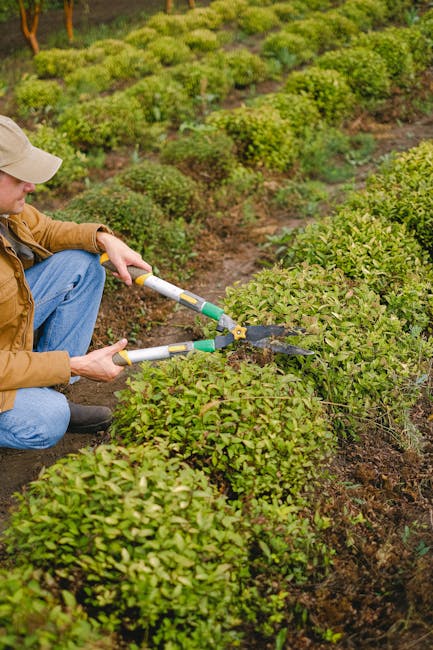
Common Mistakes to Avoid
A lot of hedge disputes are made harder by simple, avoidable errors. These are the ones that cause the most trouble:
- Assuming ownership from appearance alone: A hedge that "looks yours" may not be.
- Cutting first and talking later: This is the quickest route to resentment.
- Removing too much at once: Over-reduction can damage both the hedge and the trust between neighbours.
- Ignoring access issues: A cut from one side may be impossible without permission or safe footing.
- Failing to record the agreement: Memory gets fuzzy fast when people are upset.
- Letting the hedge become a fence replacement by accident: Sometimes a hedge is carrying too much structural responsibility and needs a broader plan.
There is also a subtler mistake: talking in absolutes. "It's definitely mine" or "you can't touch it" usually shuts down useful discussion. Better to speak in facts, not declarations. That tends to cool things down.
If the hedge is tangled with weeds, poor soil, or a tired border, the whole area may need a reset rather than a simple trim. The guide on proactive weed control is a helpful companion when the boundary strip needs real tidying, not just a haircut.
Tools, Resources and Recommendations
The right tools make boundary hedge work safer and more precise. You do not need a truck full of kit, but you do need reliable basics.
| Tool or resource | Why it helps | Good use case |
|---|---|---|
| Hand shears | Gives control for fine shaping near boundaries | Small corrections and neat finishing |
| Hedge trimmer | Speeds up larger sections | Regular maintenance on long hedge runs |
| Loppers | Handles thicker stems cleanly | Removing older growth before shaping |
| Measuring tape or marked pole | Helps keep height consistent | When a hedge is being reduced to an agreed level |
| Gloves and eye protection | Reduces injury from twigs and debris | Any hedge cutting job, really |
| Before-and-after photos | Creates a record of the work | Disputed or shared boundary jobs |
For gardeners working across more than one type of garden job, it also helps to keep your kit in order and your workflow simple. The article on essential gardening tools is a practical reference if you want to compare what is worth carrying and what is just clutter in a box.
When hedge disputes are tied to wider garden updates, it can also be useful to coordinate with other services such as general gardening services in Streatham, landscaping support, or tree surgery work if nearby trees are affecting hedge growth. That kind of joined-up thinking usually saves time later.
Law, Compliance, Standards, or Best Practice
Boundary work sits close to legal and neighbourly issues, so gardeners should be careful not to overstate what they know. In the UK, hedge and boundary questions can involve property rights, overhanging growth, access, and responsibilities between neighbours. Exact rights depend on the situation, ownership, and the facts on the ground. If a matter is already disputed, it may be wise to encourage the owner to seek proper advice rather than improvising.
From a best-practice perspective, the safest approach is simple:
- do not cut beyond the agreed scope;
- do not enter another property without permission unless the access arrangement is clear and lawful;
- avoid damaging a fence, wall, or neighbouring planting;
- keep a neutral tone if the matter becomes tense; and
- document what you observed and what you did.
For professionals, insurance and safety procedures matter too. If you are working near hard boundaries, expect slipping hazards, hidden fixings, and awkward tool angles. A service provider with clear safety procedures and appropriate cover is usually a safer choice than someone who is simply cheap. Cost matters, yes, but a tidy dispute handled badly can become an expensive one.
If you want to understand how a provider frames operational trust, pages like insurance and safety, health and safety policy, terms and conditions, and privacy policy are the kind of support documents that show the business takes its responsibilities seriously. That is the standard customers should expect, frankly.
Options, Methods, or Comparison Table
Different approaches suit different boundary situations. The right one depends on how serious the disagreement is, how dense the hedge has become, and whether the goal is privacy, access, or a proper reset.
| Approach | Best for | Pros | Watch out for |
|---|---|---|---|
| Light trimming | Routine overgrowth or minor encroachment | Low risk, keeps hedge healthy | May not resolve a deeper dispute |
| Selective reduction | Hedges that need shaping and height control | Balances appearance and function | Needs judgement to avoid uneven results |
| Full boundary reset | Severe overgrowth, neglected hedges, or fence replacement | Creates clarity and a clean line | Can be stressful for the hedge and neighbour relations |
| Phased maintenance plan | Shared hedges or sensitive households | Gentler, easier to agree | Takes longer to reach the final result |
A phased plan is often the least dramatic and, oddly enough, the most effective. People like progress they can see without feeling steamrolled. In boundary cases, that matters. Sometimes the calm option is the strongest one.
For gardens where the hedge is part of a broader design, a phased cut also gives you time to rethink the border around it. Ground cover, shade planting, seating, or even a small privacy structure may fit better once the hedge has been reduced. If you are shaping a whole plot, useful ideas also appear in ground cover planting and vertical garden designs.
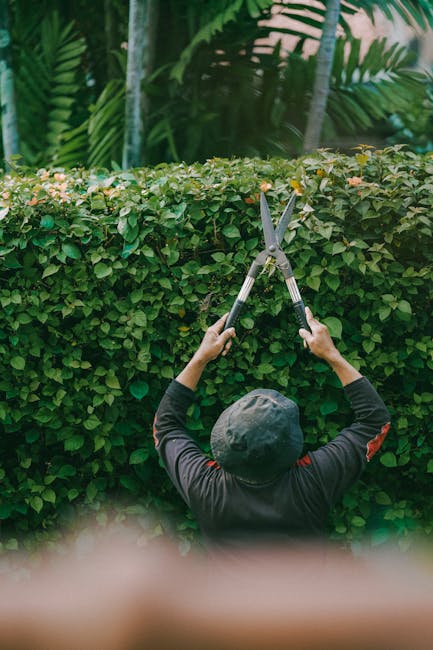
Case Study or Real-World Example
A typical Furzedown scenario might look like this. A client asks for a hedge along a rear boundary to be cut back because it is narrowing the patio space and shading a side return. The neighbour on the other side is worried that a heavy cut will leave their garden exposed. Nobody wants a fight, but nobody wants to lose privacy either. Classic.
Rather than taking the hedge down sharply, the gardener first checks the line of the fence and assesses where the hedge is thickest. Photos are taken. Both sides are spoken to separately, and the job is agreed in stages: a light width reduction first, then a review a few weeks later. The gardener trims just enough to improve access and light without creating a ragged edge.
The result is not dramatic, which is exactly why it works. The hedge still does its job. The patio gets more daylight. The neighbour feels included rather than surprised. No one is thrilled in a theatrical sense, but everyone is relieved. That is often the real success metric in boundary work.
In a second part of the same garden, the team clears some overgrown edging and refreshes the surrounding space. That sort of broader tidy-up can pair well with patio cleaning in Streatham or lawn support such as lawn care in Streatham when the whole garden needs to feel coherent again.
Practical Checklist
Before you touch a hedge near a boundary, run through this checklist.
- Have I confirmed who owns or maintains the hedge as far as possible?
- Have I identified whether it sits on one property line, the boundary, or both?
- Have I spoken to the neighbour or relevant party where appropriate?
- Have I agreed the scope, height, and side of the cut?
- Do I know whether access from another property is needed?
- Have I checked for hidden hazards such as wire, nails, nests, or broken fence panels?
- Have I taken clear before photos?
- Am I using the right tools for a controlled, light-handed cut?
- Will the hedge still look healthy after the work?
- Have I kept a note of what was done?
If the answer to any of those is "not yet", pause. A short delay is usually better than a long argument.
Conclusion
Furzedown hedge cutting and boundary dispute cases for gardeners are really about judgement. The trimming itself is only part of the task. The bigger skill is knowing when to be careful, when to speak up, and when to leave a little more growth in place because the human side of the job matters as much as the horticultural side. That is not fluff. It is the work.
A good gardener handles boundary hedges with a steady hand, clear communication, and respect for both the plants and the people around them. Do that, and you reduce conflict, protect the hedge, and build trust that lasts well beyond one visit. And on a quiet Furzedown evening, with the light fading and the clippings swept away, that tidy bit of calm can feel like a small victory.
Get a free quote today and see how much you can save.

Drawing from her experience in gardening, Brittany possesses the skill to craft informative articles on landscaping, lawn care, and garden maintenance, aiding numerous individuals in experiencing the garden they've longed for.