Best gardening services Streatham Hill for steep front gardens
Posted on 11/11/2026
Steep front gardens look lovely from the pavement, but they can be awkward, slippery, and surprisingly hard to keep under control. If you live in Streatham Hill, you already know the pattern: rain runs downhill, soil shifts, weeds creep in at the edges, and even a quick trim can feel like a proper project. That is exactly why the best gardening services Streatham Hill for steep front gardens are less about "doing a bit of tidy-up" and more about safe, practical, slope-aware gardening that actually lasts.
This guide breaks down what good help looks like, how it works, what to ask for, and how to avoid the common mistakes that turn a manageable slope into a long-term headache. You will also find simple planting ideas, maintenance advice, and a realistic checklist for choosing the right support. Let's face it, a steep front garden should welcome people to your home, not make everyone stare at it and sigh.
Why Best gardening services Streatham Hill for steep front gardens Matters
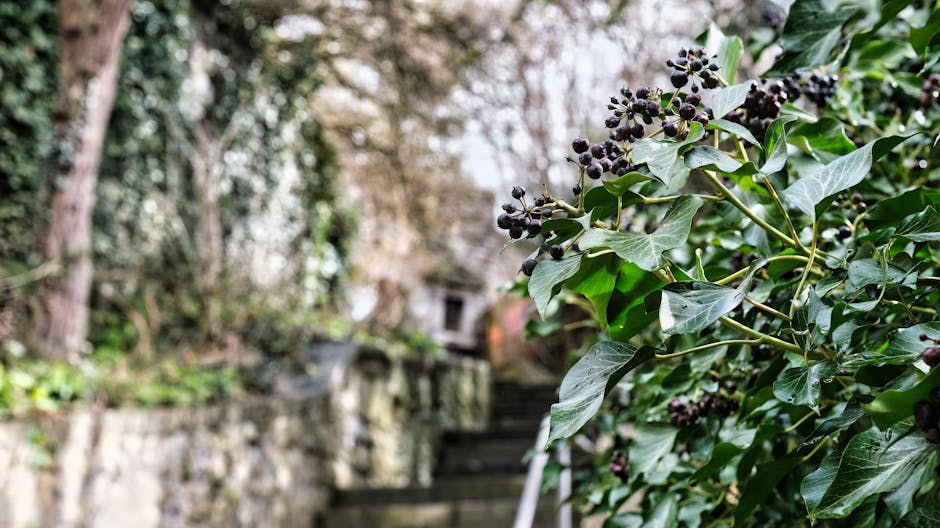
Steep front gardens create a different set of problems from flat ones. The slope changes how water moves, how people access the space, and how plants establish roots. In a neighbourhood like Streatham Hill, where front gardens often face road dust, foot traffic, shade from buildings, and weather that can change on a dime, those problems show up quickly. A tidy front border can slide into bare soil and patchy growth before you know it.
Good gardening services matter here because the garden is doing two jobs at once. It needs to look presentable from the street, and it needs to work as a stable, low-risk, low-fuss piece of your property. A steep bank left unmanaged can become difficult to mow, awkward to weed, and unpleasant to walk past after rain. There is also the simple fact that a badly handled slope often wastes effort. You prune it, and it overgrows. You clear weeds, and they return. You plant things, and they wash away. A bit frustrating, honestly.
Specialist gardeners understand the difference between cosmetic tidying and structural garden care. They look at soil stability, runoff, access, drainage, and planting density. That is why people searching for the best gardening services Streatham Hill for steep front gardens are usually not just buying labour. They are buying judgement.
If your front garden is part of a broader refresh, it can also help to think beyond the slope itself. A front space often links to the rest of the property, so it is worth reading a wider guide like starting your garden transformation if the whole area needs a reset.
How Best gardening services Streatham Hill for steep front gardens Works
There is no single method that suits every steep front garden, because the right approach depends on the angle, size, shade, soil type, and how the space is used. In practice, a proper service usually starts with a site assessment. That means checking the slope, spotting weak points, understanding where water collects, and deciding what can stay and what needs changing.
From there, the work often falls into a few stages. First comes clearance: weeds, dead plants, unstable growth, and rubbish are removed. Then the garden is made safer and easier to work on. On a steep front garden, that might mean careful pruning, reshaping borders, or setting up practical access points. If the bank is very awkward, a gardener may suggest planting in layers, using ground cover, or introducing materials that slow erosion.
The planting stage is where many people underestimate the job. Slope-friendly planting is not just about what looks pretty in a pot. It is about root strength, spread, drought tolerance, and the ability to hold soil in place. A good service will choose plants for the site rather than forcing a fashion-led design onto it. That includes considering evergreen structure, seasonal interest, and maintenance levels. For example, low-maintenance ground cover can do a lot of quiet work on a front slope. The same is true of some carefully selected climbers and hedges, especially where privacy or screening matters. A useful place to explore this is ground cover plants for UK gardens and fast-growing hedges for privacy.
Finally, there is the maintenance phase. That is where the long-term value shows up. Regular trimming, weed control, seasonal feeding, and occasional reshaping help the front garden stay stable and attractive. If you want the sort of support that keeps the whole property feeling looked after, not just one tricky patch, a broader garden maintenance Streatham service can make a real difference.
Key Benefits and Practical Advantages
A steep front garden can become one of the most charming parts of a home when it is handled well. It does not need to be flat to be beautiful. In fact, the slope can create height, layered planting, and a nice sense of depth from the street. The key is making the space feel deliberate rather than unruly.
- Better safety: Reduced slipping hazards, cleaner access paths, and less chance of loose soil washing onto hard surfaces.
- Cleaner appearance: A steep garden that is planted and trimmed properly tends to look sharper for longer.
- Lower maintenance over time: Good planting and structure reduce constant rework.
- Improved drainage control: Sensible design helps manage runoff instead of fighting it all year.
- Better plant survival: The right plants are less likely to fail after heavy rain or dry spells.
- Stronger kerb appeal: A front garden is one of the first things people see, and it quietly sets the tone.
There is also a comfort factor. When a front slope is under control, everyday life feels easier. You do not have to avoid looking at it. You do not have to worry every time it rains. You can just live with it, which is underrated. If your slope is part sun, part shade, the planting possibilities become even more interesting. An experienced gardener might suggest evergreens, climbers, or vertical planting to give structure through the year. For example, evergreen climbers for shady spaces and vertical garden ideas can be surprisingly effective in compact front gardens.
And if the space needs to feel calmer and more welcoming, seating or a simple visual focal point can help. There is a nice balance between function and atmosphere, especially when you want the front garden to feel neat without looking stripped bare. A guide like garden seating design ideas can spark a few useful thoughts.
Who This Is For and When It Makes Sense
Not every slope needs heavy intervention, but some definitely do. The best gardening services Streatham Hill for steep front gardens are especially useful if you are facing one of these situations:
- You struggle to weed or prune safely because the slope feels unstable.
- Rain regularly washes soil, mulch, or gravel downhill.
- The garden looks tired, patchy, or overgrown from the pavement.
- You want a lower-maintenance front space with clearer structure.
- Plants keep failing because the site is too dry, too wet, or too exposed.
- You are planning a property sale and want the frontage to look cared for.
- You need help combining planting with edging, borders, or screening.
It also makes sense if the front garden is on a corner, exposed to wind, or shaded by neighbouring buildings. Those conditions can make a simple lawn or border much harder to maintain. In those cases, specialist advice is worth more than a generic tidy-up. Truth be told, a lawn on a steep slope is often more trouble than it is worth unless the conditions are perfect.
If you are deciding whether to invest in a full redesign or just improve what is already there, think about the level of frustration you feel every month. If the answer is "too much," then you are probably past the stage of quick fixes.
Step-by-Step Guidance
Here is a practical way to approach a steep front garden without getting overwhelmed. This is the sort of process a good local gardener will usually follow in some form.
- Assess the slope and access. Check how steep it really is, where water runs, and whether the area can be safely reached with tools.
- Clear the site carefully. Remove dead growth, invasive weeds, loose debris, and anything unstable.
- Identify the problem zones. Look for bare patches, erosion, heavy shade, compacted soil, and overcrowded planting.
- Choose the right structure. Decide whether the site needs edging, retaining features, better paths, or border reshaping.
- Improve the soil. On slopes, soil often needs help retaining moisture and nutrients. Organic matter can make a big difference.
- Plant in layers. Combine low ground cover, mid-height shrubs, and taller feature plants to give the garden body and stability.
- Add practical finishing touches. Mulch, discreet edging, and a simple access route help the garden stay tidy.
- Set a maintenance rhythm. Regular checks after wet or windy weather are worth their weight in gold.
A lot of people skip straight to planting. That is the mistake. On a steep front garden, the groundwork matters more than the glossy finish. If the base is wrong, the plants will spend half their time trying to survive. A service that understands this will often recommend soil improvement and debris control before any design changes. For deeper soil-care ideas, see organic waste and soil health.
If the space is small, don't try to cram too much into it. A few resilient plants, one strong structure, and a clear edge can look better than a crowded display. Small front gardens like honesty. So do steep ones, oddly enough.
Expert Tips for Better Results
Here are the kinds of practical choices that make steep front gardens easier to manage in real life, not just in photos.
- Pick plants with holding power. Dense roots and spreading habit can help stabilise soil and reduce bare patches.
- Use mulch properly. It helps retain moisture, suppress weeds, and soften the look of exposed soil.
- Think in tiers. Layered planting is more stable and more attractive than one flat band of shrubs.
- Plan for wind and rain. Exposed front gardens often need tougher plants than back gardens do.
- Keep the maintenance route simple. If it is awkward to reach, it probably will not get maintained as often as it should.
- Use evergreen structure. That gives year-round definition, especially through winter when the garden can look a bit sorry for itself.
Another good tip is to design for all seasons. A front garden does not only need to look good in June. It needs shape in January too. That is why evergreen climbers, winter protection, and hardy ground cover deserve attention. If you are thinking about how the garden will carry itself through the colder months, have a look at protecting garden plants in winter and ways to improve garden resilience against wind.
And a small human note: sometimes the best improvement is not dramatic. A slope that used to look tired and messy can become quietly good-looking after one thoughtful season of work. Not flashy. Just right.
Common Mistakes to Avoid
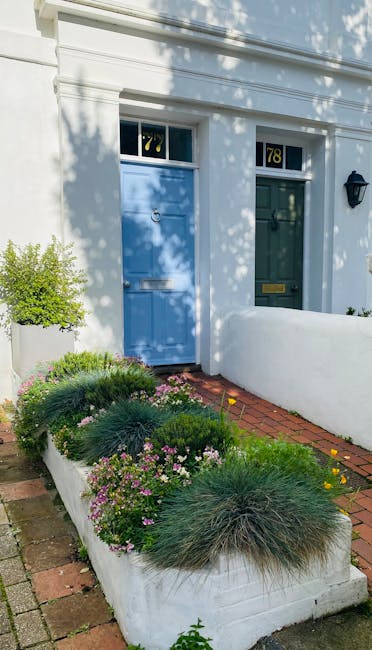
Steep front gardens tend to fail for predictable reasons. The good news? Most of them are avoidable.
- Using thirsty, shallow-rooted plants: They often struggle on slopes and dry out too quickly.
- Relying on lawn alone: Grass on a steep front bank is hard to mow and often patchy.
- Ignoring drainage: Water movement is the whole story on a slope, so leaving it unchecked causes repeated damage.
- Overcrowding the space: Too many plants can look busy at first but becomes messy and hard to maintain.
- Choosing a design without thinking about access: If you cannot reach it properly, upkeep gets neglected.
- Skipping seasonal maintenance: A quick check after storms can prevent bigger repair jobs later.
One of the sneakiest mistakes is trying to make the front garden behave like a flat suburban border when it is very clearly not. The slope has its own logic. Work with it. That sounds obvious, but people still fight the garden instead of shaping around it. Gardening is funny like that.
If weeds are becoming a recurring issue on the slope, it is usually a sign that the soil is disturbed or under-planted. A proactive approach matters more than occasional pulling. See smart weed control tips for more on that mindset.
Tools, Resources and Recommendations
The right tools matter even more on a steep front garden because awkward angles and uneven footing make basic jobs slower and riskier. A decent gardener will usually bring tools suited to the job, but if you are maintaining the space yourself, it helps to be realistic about what you need.
Useful tools often include:
- Lightweight hand tools for close work on slopes
- Secateurs and long-handled pruners for reaching safely
- Sturdy gloves with a good grip
- Wheelbarrows or buckets that are easy to balance
- Spades and trowels suitable for compacted or mixed soil
- Rakes for clearing debris without disturbing roots too much
- Watering cans or hoses for targeted watering rather than broad soaking
If you are building a more hands-on routine, a useful companion read is gardening tools every outdoor enthusiast needs. It gives a good sense of what is actually worth having, not just what looks neat in a shed.
For design ideas, plant structure, and ongoing care, the following topics are especially relevant to steep front gardens:
- container gardening basics for awkward spots
- wind resilience ideas for exposed frontages
- starting a garden transformation if the whole front area needs rethinking
- hedge trimming in Streatham if your frontage includes screening or boundary hedging
One final recommendation: ask a gardener how they would maintain the garden after the first tidy-up. That answer tells you a lot. If they can explain the next six months clearly, you are probably in safe hands.
Law, Compliance, Standards and Best Practice
For domestic front gardens, there usually is not a complicated layer of legal procedure just for gardening work itself, but there are still sensible standards to follow. Safety should come first, especially on steep or slippery ground. A reputable service will work with proper risk awareness, appropriate equipment, and sensible working methods. That includes not cutting corners on unstable surfaces or rushing pruning where footing is poor.
If the garden includes trees, boundary issues, shared access, or work near public pavement, extra care is needed. Any tree work should be handled cautiously and by competent people, particularly where height, decay, or overhanging growth is involved. If a front garden has a hedge boundary, trimming should be done with respect for access and visibility. For broader guidance on hedge upkeep, the dedicated hedge trimming Streatham page is a helpful related resource.
It is also sensible to check that any gardening business you use has clear policies around insurance, health and safety, privacy, terms, and payments. These are not just formalities. They tell you the business takes its work seriously. You can review pages such as insurance and safety, health and safety policy, terms and conditions, privacy policy, and payment and security before you move forward.
For people who like to compare providers carefully, that level of transparency matters. It is one of the quiet signs of a well-run service. No drama, no mystery, just straightforward expectations.
Options, Methods, or Comparison Table
Not every steep front garden needs the same treatment. Some need light maintenance, while others need a proper redesign. Here is a simple comparison to help you think it through.
| Approach | Best for | Advantages | Trade-offs |
|---|---|---|---|
| Regular maintenance only | Established slopes that are already stable | Lower cost, familiar look, simple upkeep | May not solve erosion, drainage, or awkward access |
| Planting refresh | Gardens with patchy growth or tired borders | Improves appearance and ground coverage | Needs the right plant choices and seasonal care |
| Reshape and stabilise | Slopes with washout, instability, or poor layout | Better long-term structure, easier maintenance | More planning and usually more labour |
| Full landscape redesign | Very awkward, overgrown, or underperforming front gardens | Most flexible; can solve multiple issues at once | Highest commitment of time and budget |
In real life, many front gardens sit somewhere between the second and third options. A lot of them do not need an all-or-nothing decision. A good service will tell you that, which is refreshing. If you are considering a wider external update, it can also be worth looking at landscaping in Streatham or even fencing support if the front boundary needs structure as well as planting.
Sometimes the smartest method is the simplest one: better soil, fewer weak plants, more ground cover, and a manageable trim schedule. Not glamorous, but effective.
Case Study or Real-World Example
Picture a typical Streatham Hill front garden: narrow pavement frontage, a steep bank rising from the path, and a mix of tired shrubs, weeds, and exposed soil. It has been "tidied" a few times, but every heavy rain leaves washouts near the bottom. The owner wants it to look more welcoming without turning it into a project that needs constant attention.
A sensible first pass would be to clear the slope, remove weak growth, and check where the soil is slipping. Then the garden could be divided into layers: low, spreading ground cover near the front; medium shrubs through the middle; and a small number of more structured plants at the top. A mulch layer would help hold moisture. A simple maintenance route could then be created so future pruning is possible without scrambling up and down the bank like a startled mountain goat.
In a case like this, the most valuable change is not always the most visible one. The real win is that the garden becomes easier to care for. Weeds are fewer. The soil stays put better. The front looks deliberate. And, perhaps most importantly, the owner stops dreading the next rainy week.
If privacy is part of the brief, a tidy hedge line or evergreen screen may help. If the front garden gets little direct sun, shade-tolerant structure can carry the look without needing constant replacement. You can find useful inspiration in designing an outdoor zen retreat if you want the frontage to feel calmer and more composed.
Practical Checklist
Use this quick checklist before you book a service or begin work on a steep front garden:
- Have the slope, access points, and slippery areas been assessed?
- Is drainage or runoff causing visible problems after rain?
- Are the existing plants suitable for steep, exposed conditions?
- Does the current layout make maintenance awkward or unsafe?
- Would ground cover reduce bare soil and weed pressure?
- Is there a clear plan for pruning, feeding, and seasonal care?
- Are insurance and safety expectations clear?
- Do the terms, pricing, and payment details make sense to you?
- Will the new design still look good in winter, not just in summer?
- Does the service feel like it is solving the garden's actual problems, not just trimming around them?
One small but useful habit: walk past the garden after rain and again in dry weather. The same slope can behave differently, and those changes tell you a lot. Sounds obvious, but people rarely do it.
Conclusion
The best gardening services Streatham Hill for steep front gardens are the ones that treat the space as a living system, not a quick cosmetic job. A steep front garden needs thoughtful planting, careful soil management, sensible access, and regular maintenance that matches the shape of the land. Get those things right, and the slope becomes an asset rather than a nuisance.
Whether you need a full redesign or just a more manageable front border, the key is choosing a service that understands sloped ground and can explain the plan in plain English. That clarity is worth a lot. In our experience, the gardens that stay looking good are almost always the ones that were thought through properly at the start.
Get a free quote today and see how much you can save.
And if you are still weighing up ideas, take your time. A well-handled front garden has a way of quietly improving the whole feel of a home, morning after morning, year after year.

Drawing from her experience in gardening, Brittany possesses the skill to craft informative articles on landscaping, lawn care, and garden maintenance, aiding numerous individuals in experiencing the garden they've longed for.